
Welcome
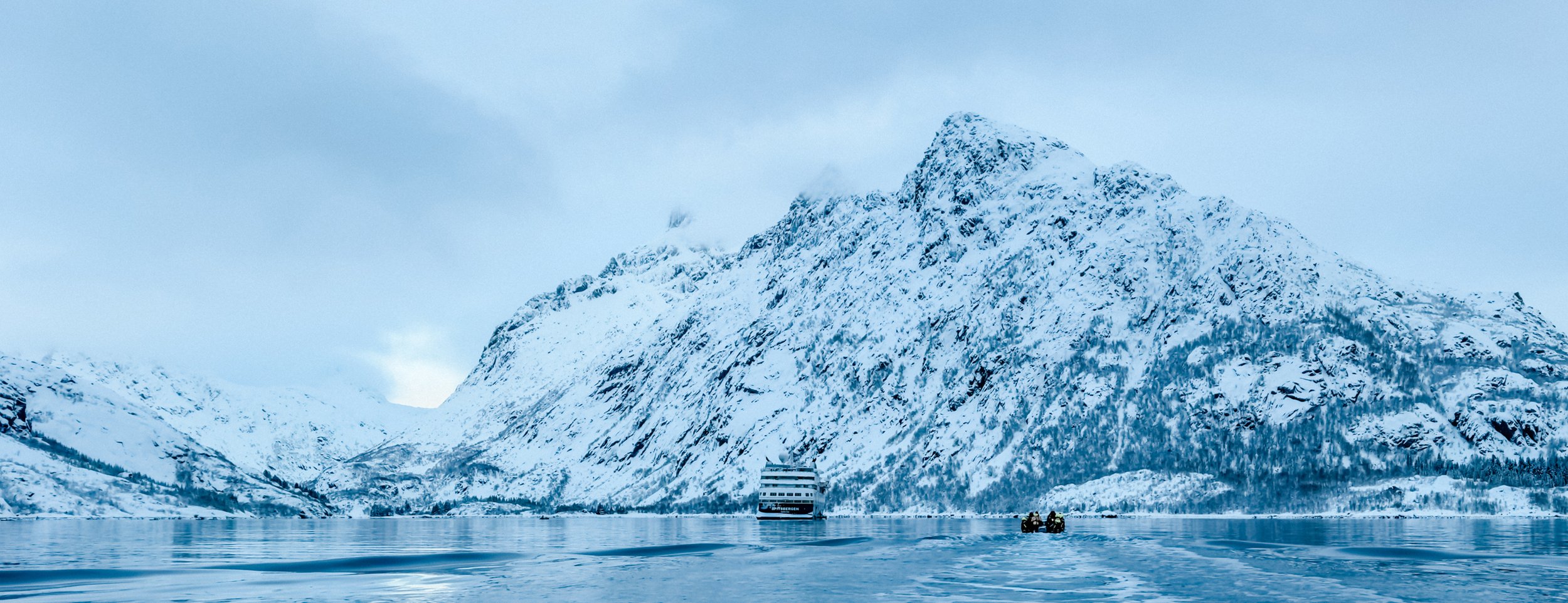
Expedition cruising combines small ships, flexible itineraries and time spent exploring the landscape. This page explains the basics - how it works, what to expect and the types of journeys available worldwide.
What is Expedition Cruising?
Small ships, specialist teams and a flexible approach to travel define expedition cruising. Instead of fixed schedules, these journeys adapt to weather, light and wildlife activity, allowing the ship to respond to changing conditions.
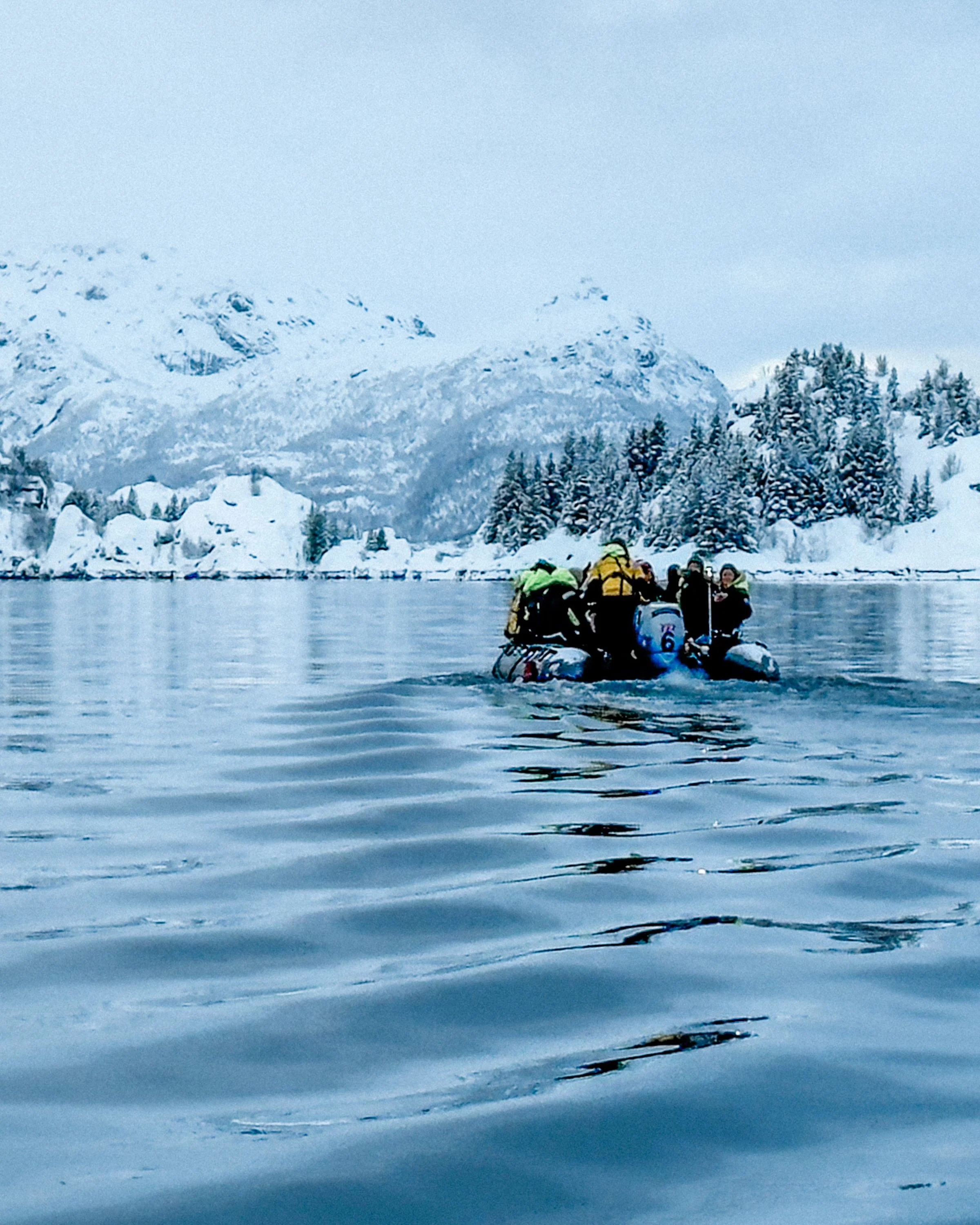
Time off the vessel is central. You explore by Zodiac, join landings and spend time in the landscape - hiking, kayaking or simply observing wildlife. The ship serves as a comfortable basecamp, with the expedition team guiding each day and helping you understand the environment.
Your Expedition Experience at a Glance
An overview of the key elements that shape an expedition cruise.
Small Ships
Designed for access and flexibility, these vessels carry fewer guests and can navigate areas unavailable to larger ships.

Expedition Team
Experienced guides lead your landings, share their expertise and deepen your understanding through briefings, talks and time in each place.
Zodiac Exploration
Zodiac rides and shore landings bring you close to coastlines, wildlife and the spontaneous moments that define expedition travel.

Scenery & Wildlife
Spectacular landscapes and authentic wildlife encounters unfold naturally, shaped by timing and the environment.

Active Adventures
Opportunities to kayak, hike and join optional activities that bring you closer to the places you’re exploring.

Learning Focus
Insight gained throughout the journey - from the context the team provides to the discoveries you make while exploring each destination.
Planning Your First Expedition
A few early decisions shape the kind of expedition you’ll have. Understanding them upfront makes planning clearer and helps you choose the journey that feels right for you.
01 | Clarify What You Want From the Experience
Before looking at expedition cruise operators or itineraries, start with what draws you to this kind of travel. Whether it’s wildlife, landscapes, culture, photography or a personal milestone, your purpose becomes your compass, guiding you toward the right style of expedition.
02 | Identify The Right Destination
Your destination determines the wildlife, landscapes and overall feel of your expedition. Penguins lead you south, polar bears lead you north and warm‑water wildlife points you toward the tropics. Let your interests guide the region that fits you best.
03 | Understand The Seasonality
Expedition cruising is deeply seasonal and timing can change the experience dramatically. Early or late Antarctic season, shifting sea ice in Greenland or month‑by‑month wildlife patterns in the Galápagos all shape what you’ll see. Your available dates may refine your destination or confirm it.
04 | Select An Operator & Ship Style
Operators differ in ship design, onboard atmosphere, expertise and activity style. Some are science‑led, some adventure‑focused, others lean into comfort. Ship sizes, facilities and activity options vary widely. Choose the operator and ship that match how you like to travel.
05 | Compare Itineraries Thoughtfully
Two itineraries in the same region can feel completely different. Some include more landings, others more Zodiac cruising; some focus on wildlife, others on culture. Look beyond the map to the rhythm of each day and the balance of time ashore, at sea and exploring.
06 | Understand The Daily Rhythm
Expedition days are shaped by conditions. Landings, Zodiac cruising, time on deck and daily briefings all play a part, with plans adjusted as opportunities arise. Flexibility is central and embracing it is key to enjoying your first expedition.
07 | Review Value & Logistics
Once you know your destination, timing, operator, ship and itinerary, you can look at the total value with clarity. Think about what’s included, what isn’t and the logistics of getting to and from your embarkation point. These details refine your choice and help the whole journey run smoothly.
Destinations
Expedition cruises reach some of the most remote and varied environments on Earth - from polar ice to tropical coastlines. Each region offers its own landscapes, wildlife and rhythm, and understanding what draws you in is a helpful first step.
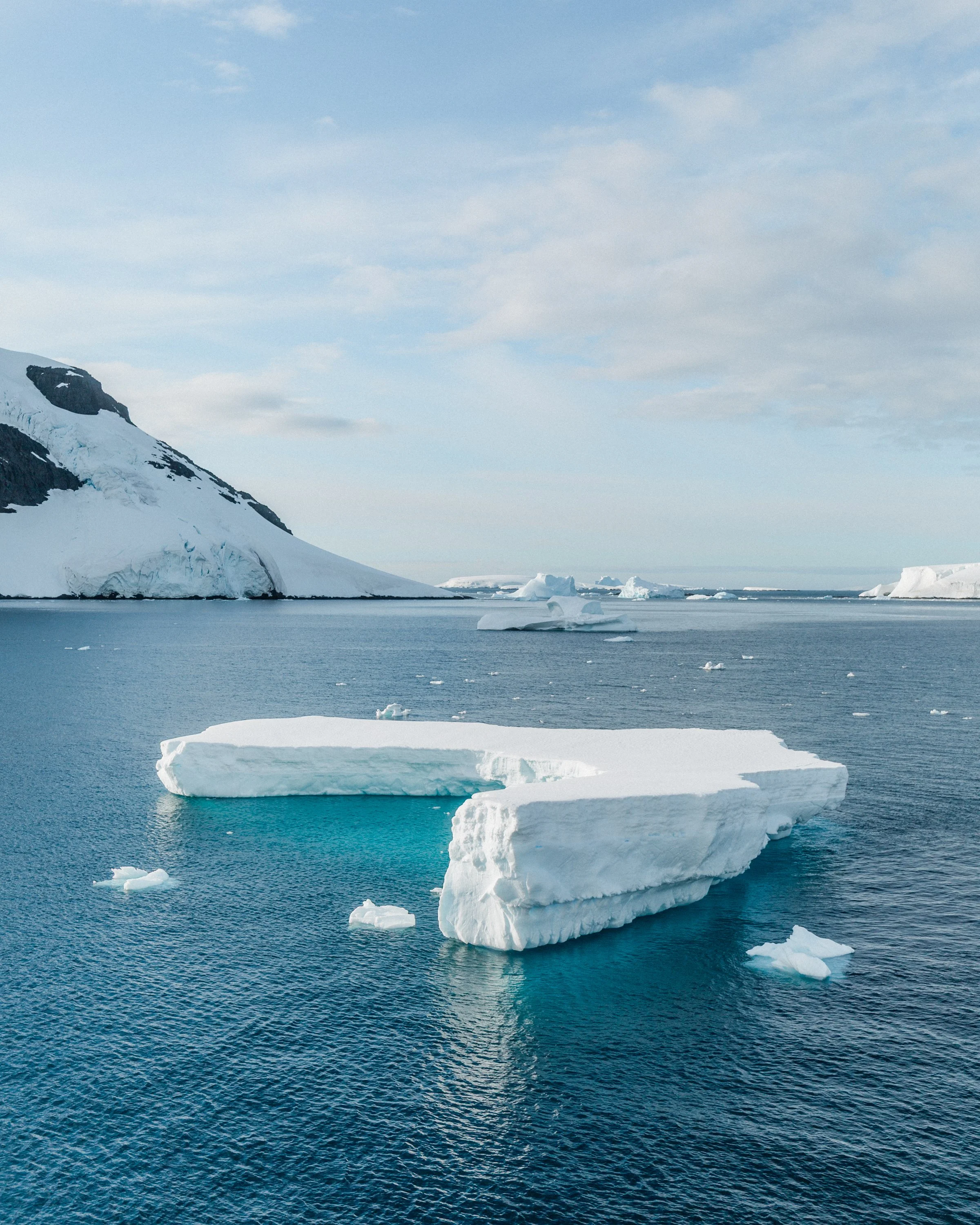
Antarctica
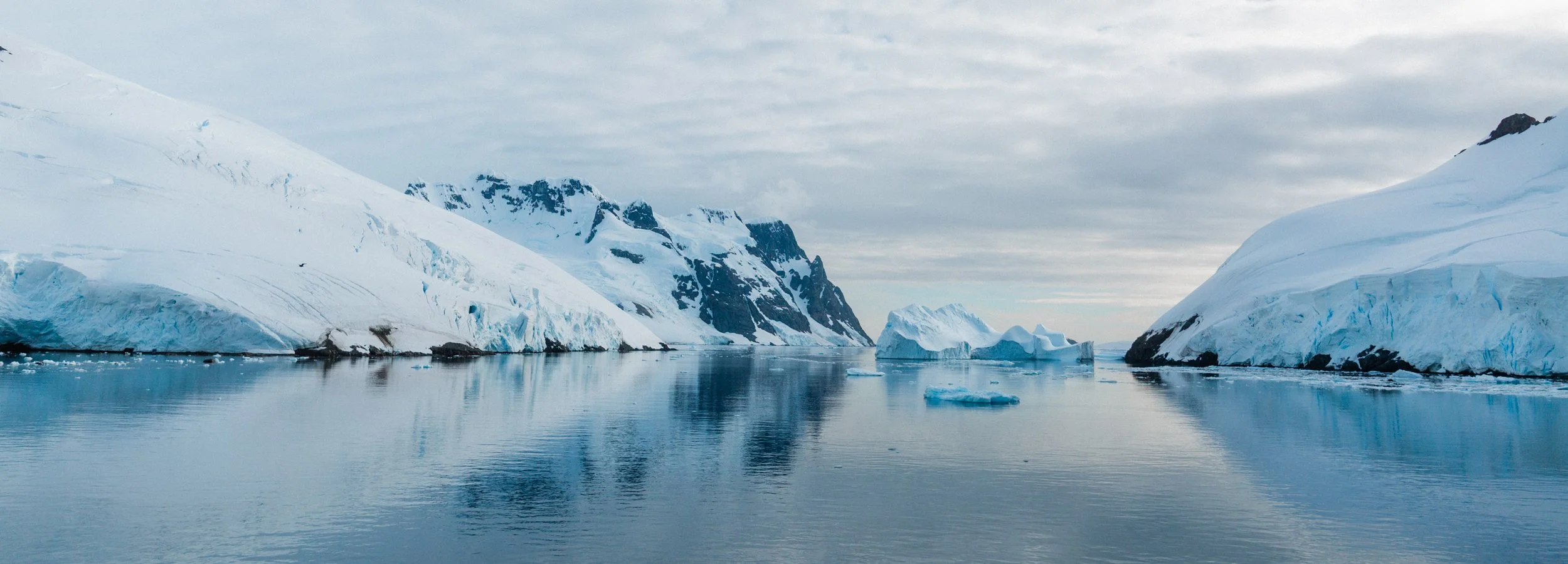
A landscape of ice, wildlife and wide horizons. Remote, weather‑shaped and defined by the Southern Ocean. →
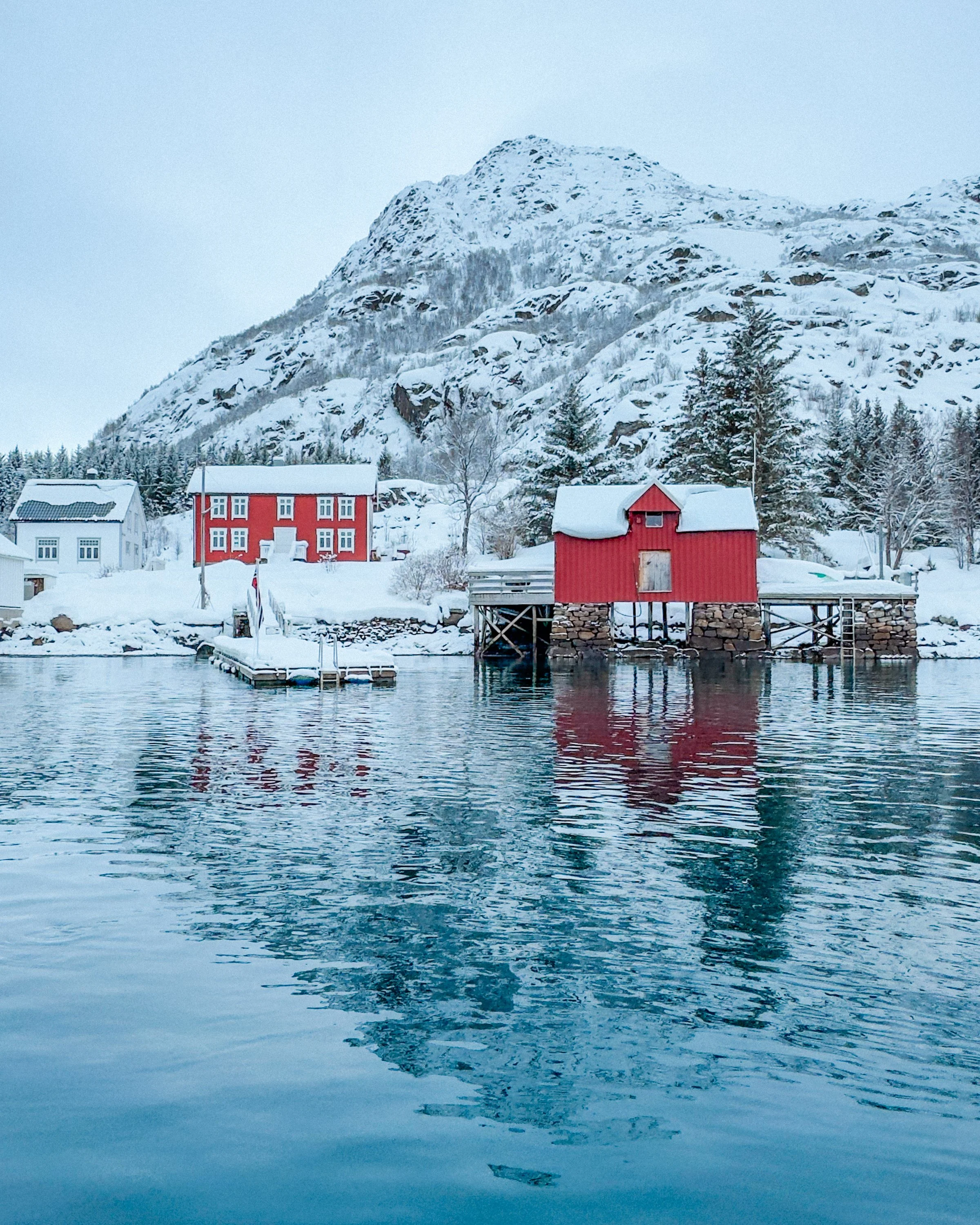
Arctic
Tundra, sea ice, glaciers and northern wildlife come together here. Long summer light and shifting conditions create a place that feels active and changing. →
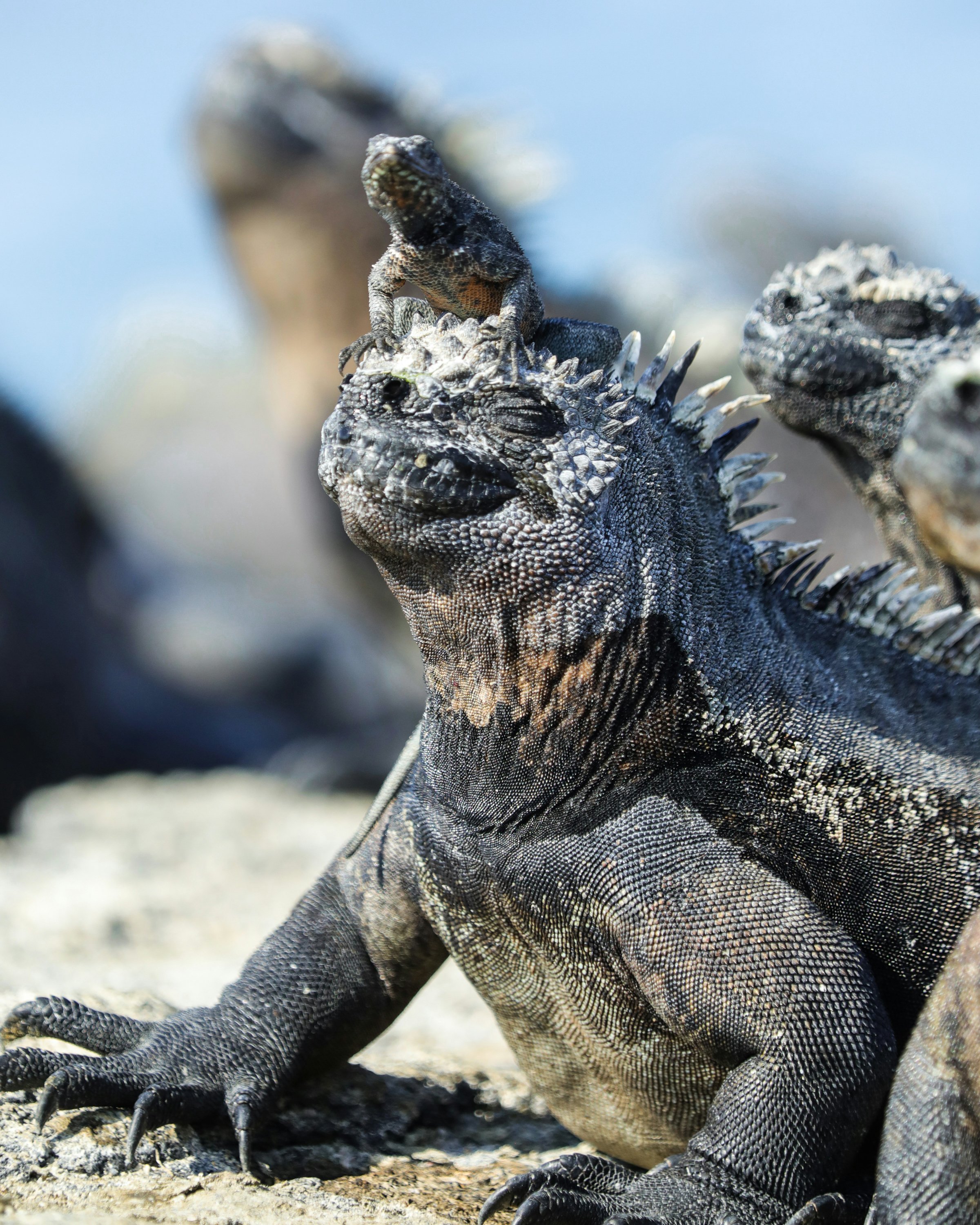
Galápagos
Volcanic shores, clear waters and wildlife found nowhere else. Currents, sunlight and shifting seasons shape a place that feels alive and evolving. →
Where to Explore Next
Every expedition begins with curiosity.
If you’re ready to keep going, here are three ways to explore - from destinations and operators to videos that bring expedition cruising to life.
Destinations
Operators
Videos

If you’re a brand, PR team or expedition operator interested in collaborating, you can learn more about working with me here.