
Drake Passage
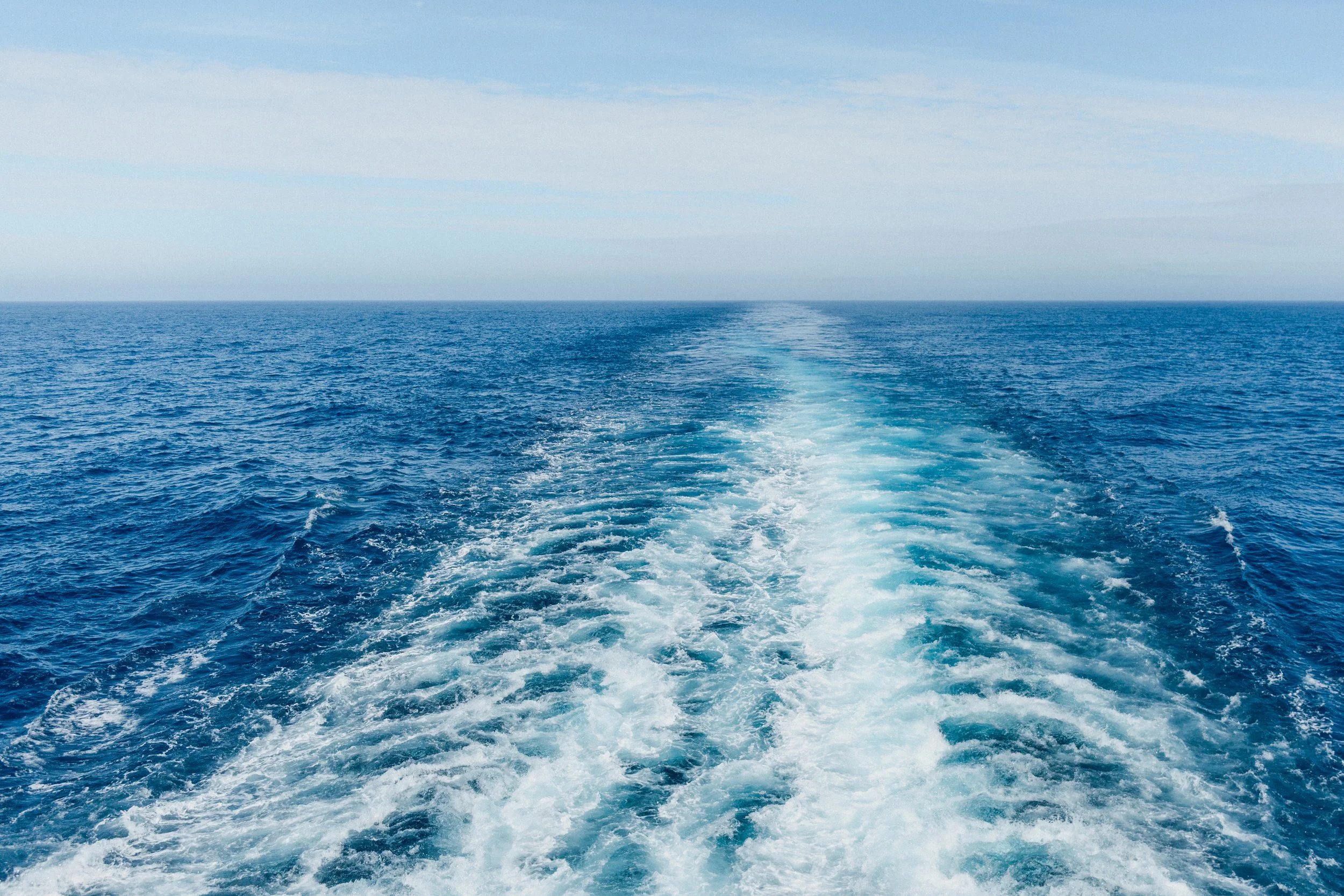
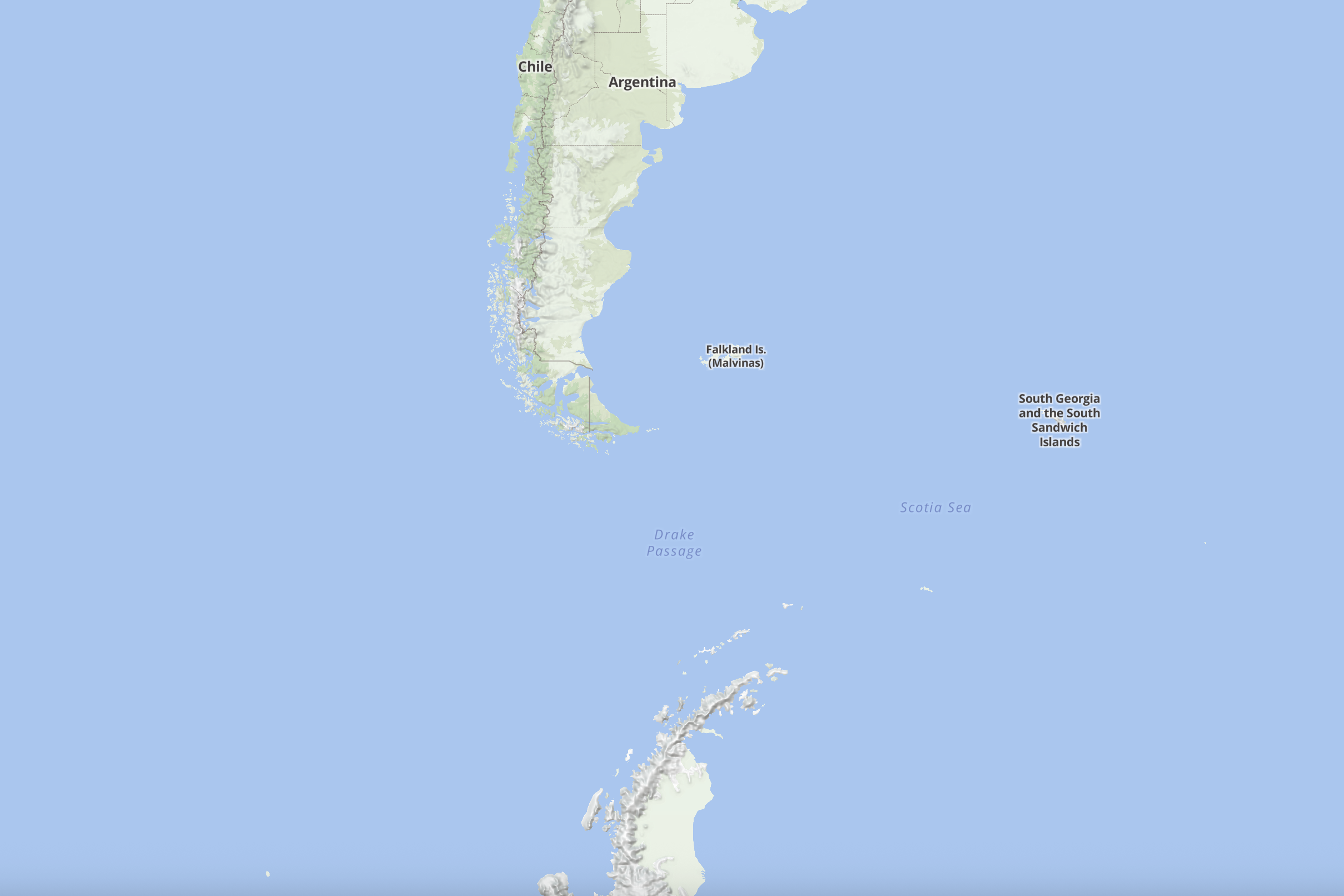
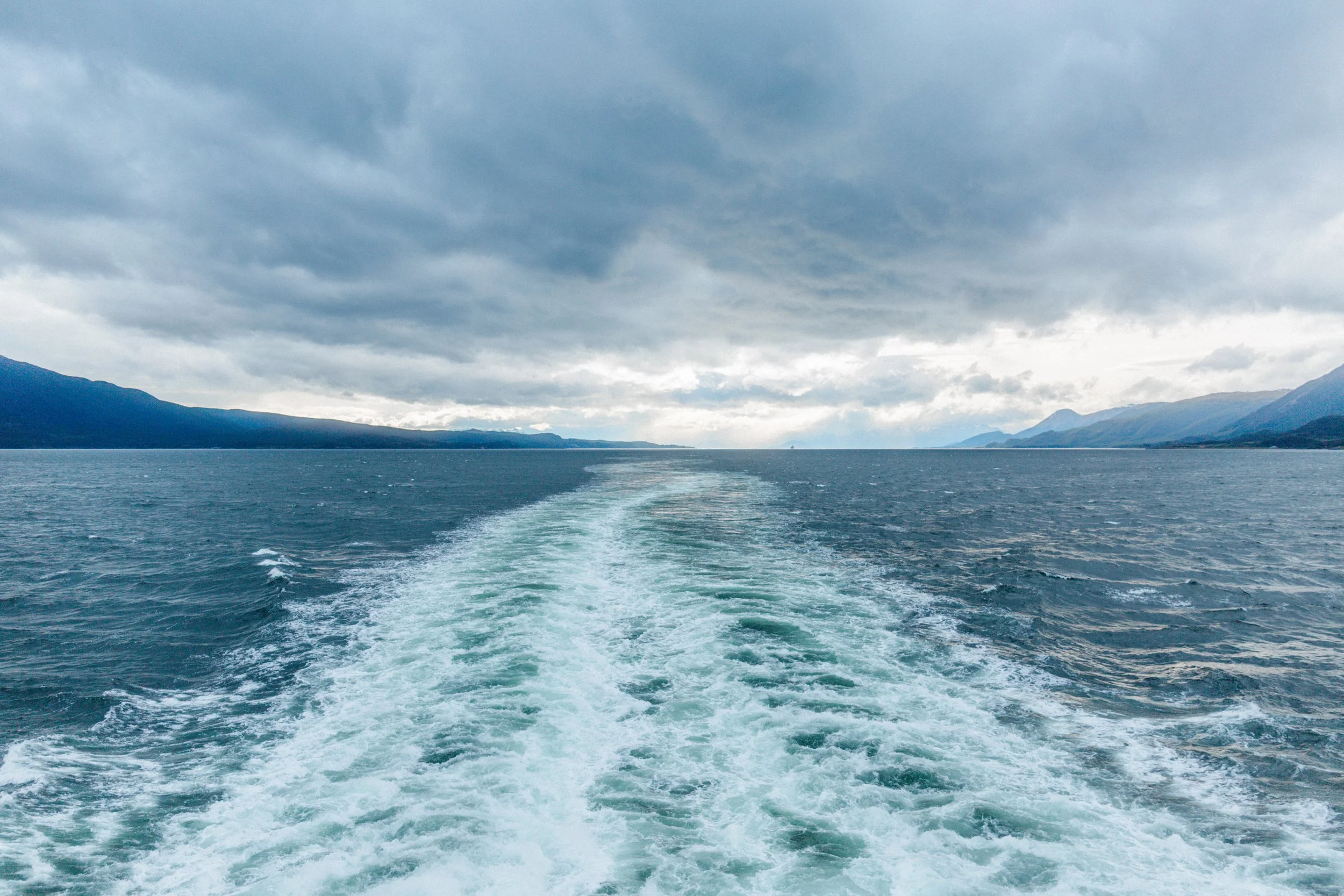
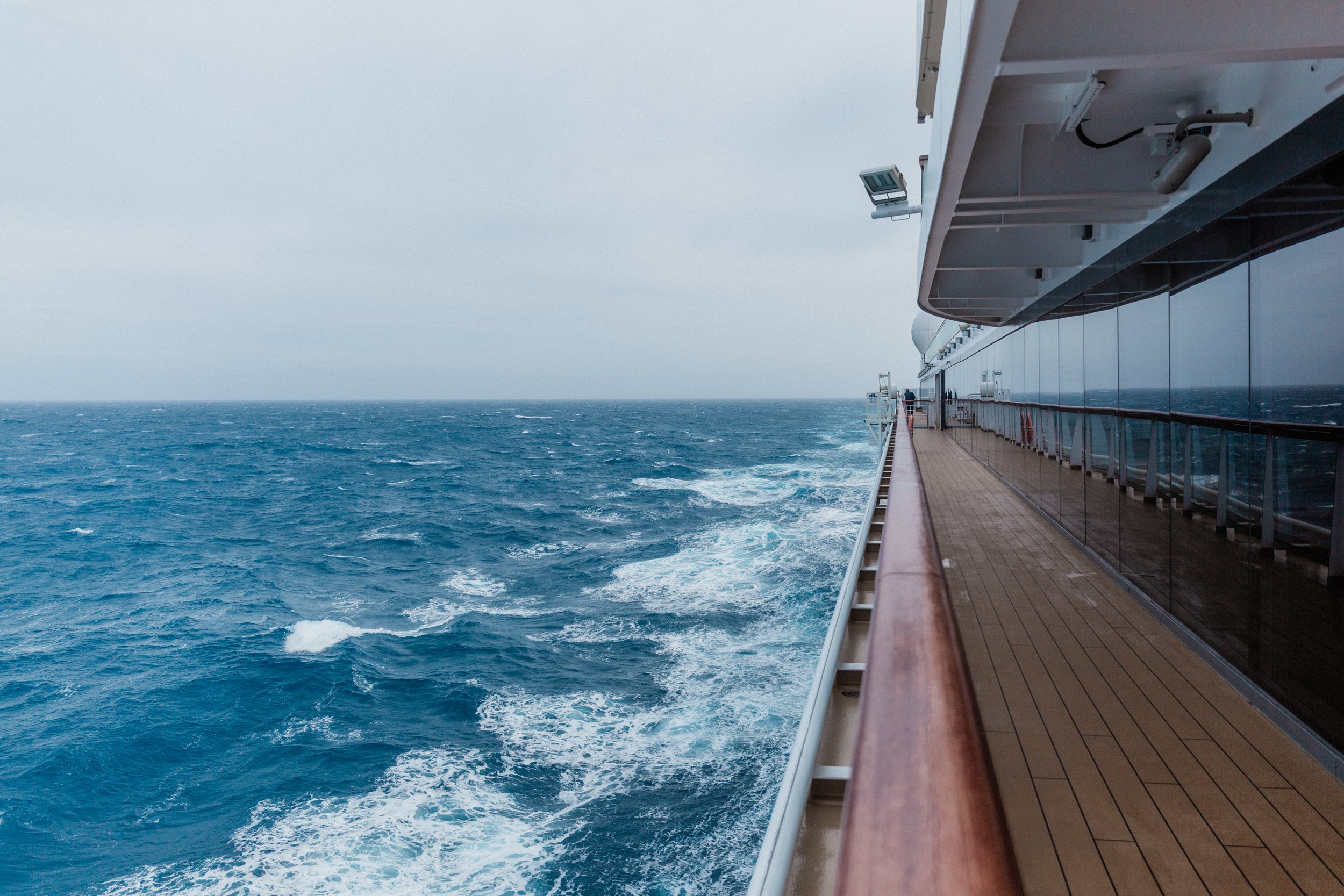

What the Drake Passage is, how it shapes Antarctic journeys and what guests experience when sailing across it.
At a Glance
The stretch of open ocean between South America and the Antarctic Peninsula where major oceans converge, creating some of the most dynamic and rapidly changing sea conditions on Earth.
Quick Facts
Route| Ushuaia → Beagle Channel → Drake Passage → Antarctic Peninsula
Distance| Approx. 600 miles / 970 kilometres
Duration| 36-48 hours each way
Sea Conditions| Highly variable, from calm (‘Drake Lake’) to lively (‘Drake Shake’)
Wildlife| Albatross, petrels, whales and other wildlife
Oceanography| Where the Atlantic, Pacific and Southern Oceans meet
Why It Matters on an Expedition Cruise
Crossing the Drake Passage is part of the Antarctic experience.
It’s where you feel the scale of the Southern Ocean, understand why conditions change so quickly, and appreciate the seamanship that gets you safely to the White Continent.
For many guests, it becomes a memorable and surprisingly enjoyable part of the journey - a chance to settle in and feel the rhythm of the expedition.
What You’ll Experience as a Guest
A noticeable change in motion as the ship leaves the Beagle Channel and enters open ocean
A gradual shift in light, temperature and sea state as you head south
Sea conditions that vary from calm, rolling swell to more energetic motion depending on weather and wind
Time to explore the ship, attend briefings, join wildlife watches and settle into the rhythm of the voyage
Possible sightings of albatross, petrels, whales and other wildlife
What to Wear / Bring / Do
Non‑slip footwear for moving around the ship safely
Seasickness medication if you’re prone to motion sensitivity (speak to your doctor before travel)
Binoculars for spotting seabirds and whales
A camera with a strap for use on open decks
Safety & Best Practice
Keep one hand free for railings when moving around the ship, especially on stairs and in corridors
Keep cameras and phones secured with straps
Follow crew instructions regarding which decks are open or closed
Rest, stay hydrated and eat lightly if you’re feeling the motion
Practical Tips
Spend time on the outer decks when conditions allow - seabirds often follow the ship, so bring binoculars for the best sightings
Attend the onboard briefings; they help you understand what to expect
If you’re motion‑sensitive, rest early, stay hydrated and avoid heavy meals
Use the crossing to organise your gear, charge devices and prepare for landings
Related Content
Crossing the Drake Passage | A First‑Timer’s Guide to Reaching Antarctica | Podcast Episode & YouTube Video