
Who is Expedition Cruising For?
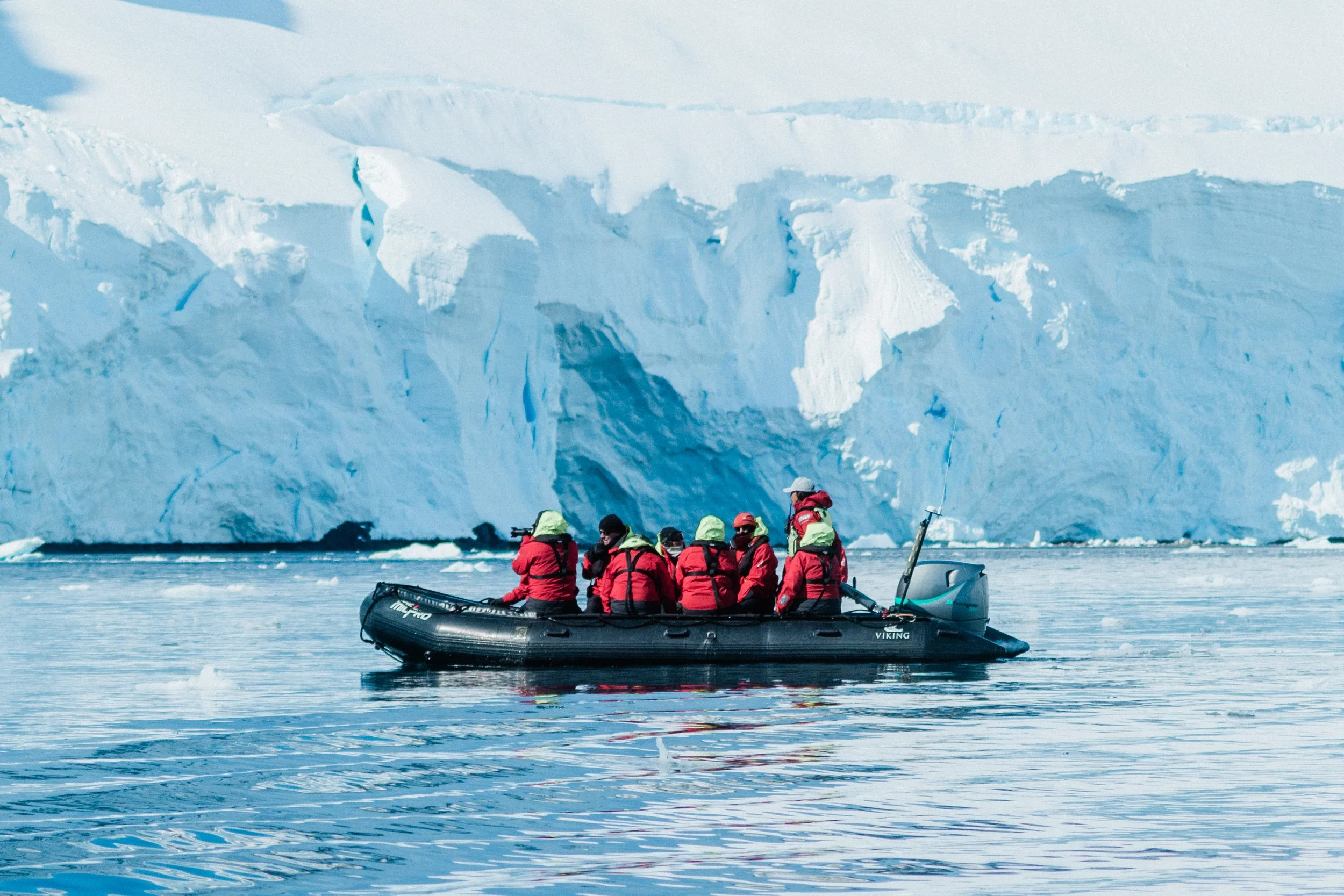
Perhaps you’ve seen an expedition cruise on television and found yourself wondering whether a journey like that is something you could ever do. It’s a natural reaction. The word expedition often brings to mind extreme adventurers, the sort of people who climb mountains before breakfast or sleep halfway up a cliff because it “sounds exciting.”
So it’s understandable if you’ve thought, “That’s not me… so an expedition cruise probably isn’t either.”
But that image couldn’t be further from the truth.
Expedition cruising attracts a far more diverse mix of people than you might expect including those who are thoughtful, curious, and even risk‑averse. I say that from personal experience. Before my first expedition, no one would have described me as an adventurous explorer. I’m careful, I’m prepared and I’m the kind of person who packs plasters, hand warmers, spare gloves, spare sunglasses… and snacks. I’m not a strong swimmer, but give me a life jacket and I’ll go anywhere.
And yet, I fell completely in love with expedition cruising.
The Real Common Thread | Curiosity, Not Courage
Expedition cruising isn’t about age, fitness or being outdoorsy. It’s about curiosity, wonder and the desire to experience the world in a deeper way. The people you meet on these voyages come from all walks of life and many of them would never describe themselves as adventurous.
The Classic 50+ Explorer
Many travellers in their 50s, 60s, 70s and beyond are choosing expedition cruising because they’re staying active longer and want to make the most of it. They’re well‑travelled, curious and eager to keep discovering new places.
The Younger Adventurers
More travellers in their 30s, 40s and 50s are heading to remote destinations like Antarctica because an expedition ship is one of the only ways to reach them. They’re drawn by the wildlife, the landscapes and the sense of stepping into a world very few people ever see.
Families and Multigenerational Travellers
Expedition cruises attract families of all kinds. You’ll see sisters travelling together, parents bringing children to experience something real and grandparents creating memories that will last a lifetime. These journeys offer a rare chance to learn, explore and reconnect.
Solo Travellers - Especially Women
Expedition cruising is wonderfully suited to solo travel. It feels safe, it’s social without being overwhelming and you can be as independent as you like. Many ships now offer reduced or no solo supplements, making it even more accessible.
The Learners, the Dreamers, the Escapists and the Sea‑Lovers
Every voyage includes people who are there for different reasons. Some love the lectures, the wildlife and the science. Others have dreamed of the polar regions for years and want to tick off a lifelong ambition. Some simply want to unplug, slow down and reconnect with nature. Others thrive in remote places and relish the sense of adventure. And then there are those who just love being near the sea, the thalassophiles who feel most at home on the water.
The Passionate Hobbyists
Photographers and bird watchers are often the happiest people on board. Photographers spend hours on deck waiting for the perfect moment, while birders can identify a species before you’ve even found it in your binoculars. Their enthusiasm is infectious.
The Warm‑Water Expeditioners
Not all expeditions involve ice. Some travellers prefer the Kimberley, the Amazon or the Galápagos. If you’d rather pack a snorkel than a parka, there’s an expedition for you too.
The “I Will NEVER Go on a Cruise” People
This group is always fun because I used to be one of them. They imagine waterslides, pool parties and crowded decks. Then they discover small ships, wild places and a sense of discovery that feels nothing like a traditional cruise. These travellers often become the biggest converts.
How Fit Do You Really Need to Be?
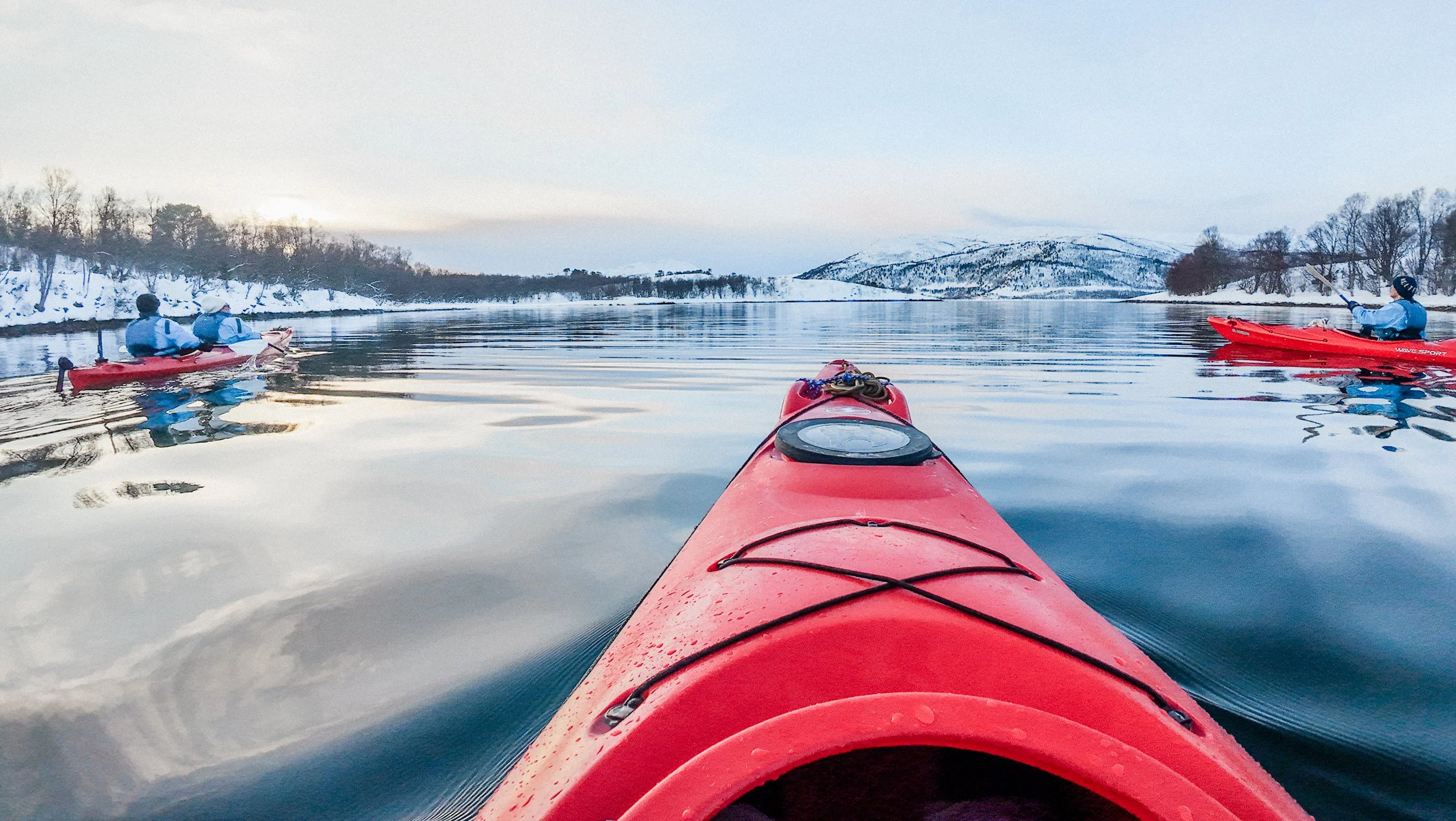
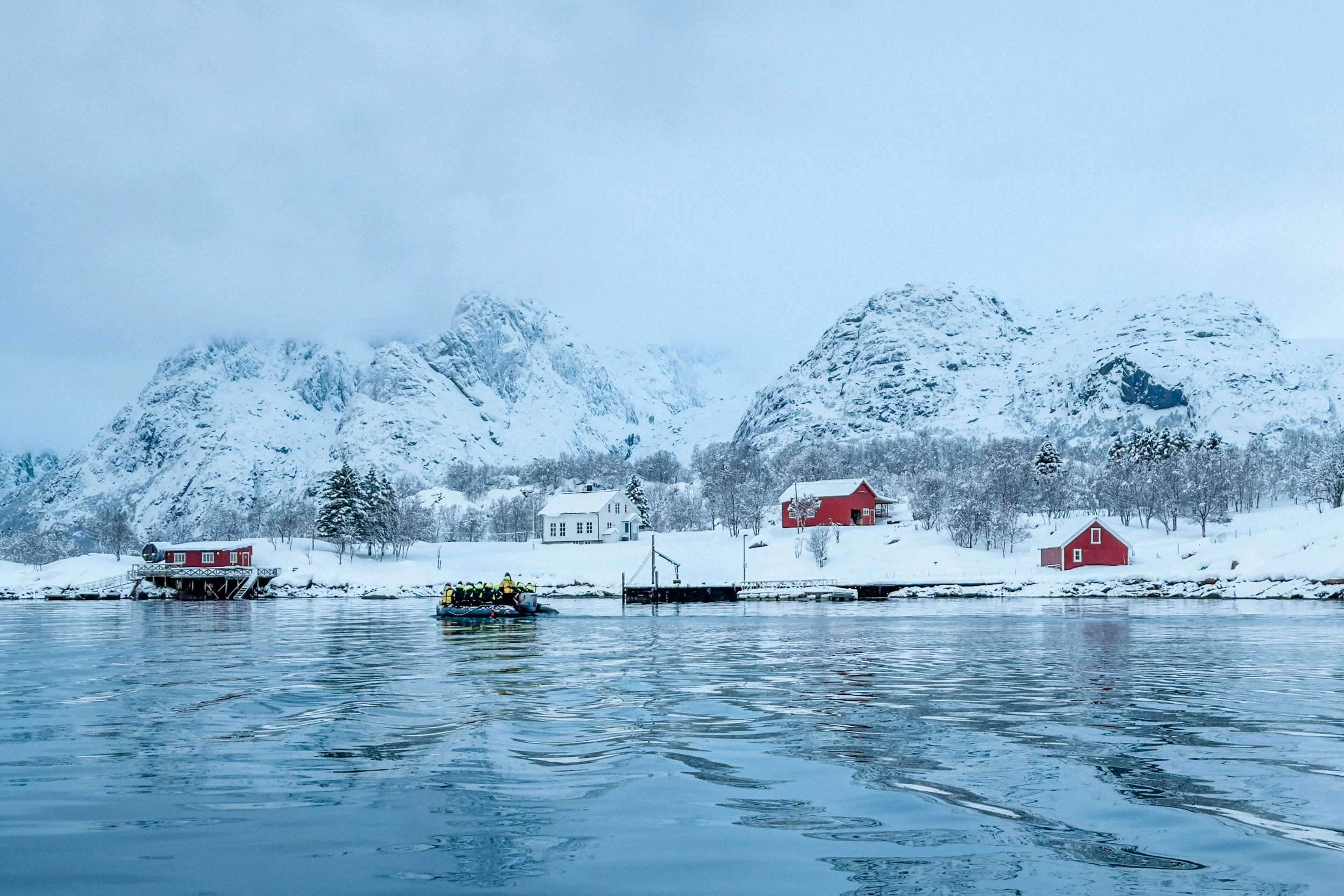
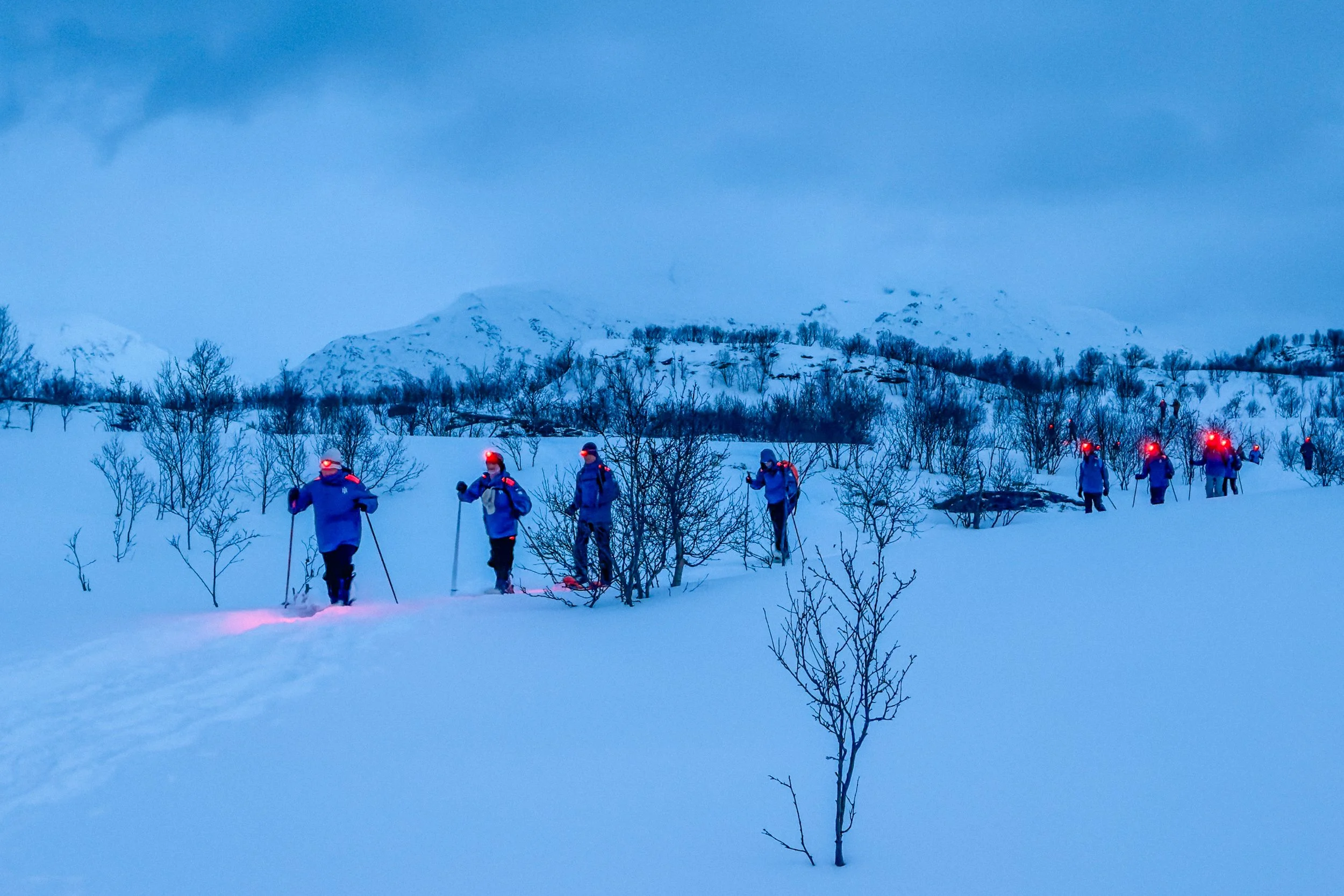
Much less than you might think. If you can walk around the ship, manage stairs, step into a Zodiac with help and do short walks on uneven ground, you’ll be absolutely fine. Some cruise lines ask guests to complete a simple kayak test, which is more about knowing where to place your hands than demonstrating athletic ability. If I can do it, I’m sure you can too.
Who Expedition Cruising Is Not For
If you need a strict schedule, the kind where you must arrive at a specific port at a specific time, then expedition cruising may not be the right fit. Plans change. Ice moves. Wildlife appears. The swell picks up. That flexibility is part of the magic.
A Few Common Questions
Many people worry about seasickness, especially when crossing places like the Drake Passage. Modern ships have excellent stabilisers and simple remedies like travel bands and ginger biscuits can help. When we crossed the Drake, we were fortunate - the ship and the weather made it absolutely fine.
Another common question is about gear. Most operators provide complimentary parkas and boots, and some even include waterproof trousers. You’ll only need your base layers.
So… Who Is Expedition Cruising Actually For?
If you’re curious, open‑minded and excited by the idea of exploring remote places with people who bring the landscape to life, then expedition cruising might be exactly what you’ve been looking for. It isn’t about age, fitness or being outdoorsy. It’s about wonder, discovery and seeing the world in a deeper, more meaningful way.
If you’re warming to the idea, keep an eye out for next week’s post, where I’ll be exploring the question: Where Can You Go on an Expedition Cruise?